Pain is seldom just a sign. It forms the method individuals take a breath, relocate, cooperate, and remember. In emergency situations and frontline care, the capability to lower pain promptly and safely modifications outcomes. It stops spirals of worry, soothes physiology, and lets groups total time-critical treatments without fighting the body's reflex to safeguard itself. The PUAEME008 Provide Pain Monitoring system is made for that setting. It offers clinicians and responders a functional framework for evaluating, carrying out, and monitoring analgesia quickly, after that turning over a person who fits, stable, and recorded properly.
I have actually trained loads of paramedic students, nurses, and allied health and wellness experts with brief courses suffering administration tied to this system. The candidates who excel are not the ones who can recite medicine dosages from memory, however those who can read a scene, make a defensible decision at speed, and communicate plainly under stress. PUAEME008 incentives precisely that mix of judgment, method, and accountability.
What PUAEME008 covers, and why it matters
The unit rests within the public safety and security and emergency situation administration structure. In plain terms, PUAEME008 Supply Pain Management focuses on the safe arrangement of analgesia in prehospital and urgent-care setups. A lot of programs that deliver a discomfort management certificate improved PUAEME008 train to a specified extent: making use of inhaled methoxyflurane under scientific administration, with organized assessment, contraindication testing, surveillance, and handover.
The value is rate with security. Methoxyflurane is portable, titratable, and familiar across emergency situation discomfort monitoring. It can be self-administered with training, which suggests a single -responder can regulate pain while juggling other jobs. When the program is instructed well, candidates acquire a repeatable flow: assess pain, display, prepare, trainer inhalation, monitor level of awareness and crucial indicators, record, and escalate or discontinue according to response.
Not every jurisdiction or company allows the very same drugs. Some solutions set methoxyflurane with dental analgesics such as paracetamol or ibuprofen, or with topical representatives. PUAEME008 does not turn students right into independent prescribers. It develops capability in a slim, high-yield slice of discomfort monitoring that is quickly controlled by protocols.
Who take advantage of this pain management training
There is a wonderful spot of functions where a fast-track pain management certification unlocks ability without developing scope-of-practice headaches. Event medics, lifeguards, initial responders embedded in industrial sites, and volunteers in remote or country aid messages are the evident examples. The system likewise fits health professionals that currently practice under supervision however desire faster, much safer pathways to lower discomfort prior to conclusive care.
Nurses and physiotherapists being in a nuanced position. Pain monitoring training courses for registered nurses that work in immediate treatment, minor injury systems, or access coordination usually consist of PUAEME008 as a practical add-on. It helps them move from compassion to activity at triage, supplying very early analgesia rather than awaiting a physician's order when procedures permit. Discomfort administration training courses for physio therapists, specifically those working in high-performance sport or outreach bone and joint clinics, use the training to make acute injury administration calmer and less terrible. The physiotherapists I have actually trained worth the self-confidence to claim, with structure, that a troubled individual has been examined, treated within protocol, and awaits imaging or transport.
What to anticipate in a fast-track certificate course
A well-run pain management certificate training course aligned to PUAEME008 presses into a single day or more brief sessions. The classroom hours are shorter than many expect, yet they are dense. Anticipate to cover the concept of pain, the pharmacology and contra-indications of the picked analgesic, and the operational facets that make or damage safe distribution. The evaluation is hands-on. You will certainly go through simulated individuals that do not act specifically like the book. Some cough into the inhaler, others talk through the mask without a solitary breathing, and a few quit using it the moment their pain dips from 9 to seven. The assessment checks whether you can notice those details, adjust, and maintain the individual within a secure, reliable range.
Typical discovering end results include the capacity to:
- Perform organized discomfort evaluation and pick an analgesic approach within scope Identify and handle contraindications and precautions for methoxyflurane or approved alternatives Prepare, trainer, and monitor self-administered inhalational analgesia while keeping an eye on safety Document pain scores, essential indicators, dosages, and patient feedback with clearness for handover
Most carriers mix lecture, situation discussion, and scenario-based technique. The good ones invest extra time on paperwork and on what to do when the strategy is not functioning. I demand 2 full situations where the learner should stop analgesia for security and pivot to non-pharmacological techniques while intensifying for additional assistance. It educates the difference between persistence and stubbornness.
Scope, administration, and the reality of protocol-based practice
The phrase supply pain administration can be misleading. This is a protocol-driven skill. Trainees operate under a clinical administration structure established by the course supplier and the employing firm. That framework defines medication selection, dose limitations, monitoring frequency, and compulsory coverage occasions. A strong program connections every method step back to that governance.
Candidates must leave with a reasonable sight of extent. If the person's discomfort is serious and not replying to inhalational analgesia, the next step may be IV opioids or nerve blocks. Those are outside the extent of PUAEME008. The ideal relocation becomes acceleration: call for a higher-qualified clinician and continue helpful care while stopping injury. That is not failure. It is what secure systems look like.
Remember the ecological item. Methoxyflurane is flammable and produces vapor. The majority of training courses educate risk-free use in well-ventilated settings, with explicit regulations for constrained spaces and no ignition resources. I have actually seen responders try to run an inhaler inside a tiny vehicle during a storm. A few minutes of perseverance to move to an aerated area decreases risk without sacrificing care.
Anatomy of an audio assessment
Effective pain management training courses educate evaluation as greater than a number on a scale. The number issues, however so does trajectory, context, and feature. You wish to know where the pain is, what causes it, and how it alters. An individual at rest who reports 4 but has guarding and superficial breathing may be worse off than the stoic that claims 6 and moves freely.
Pain ranges, from numeric to Wong-Baker faces, help create a shared language. The method corresponds use. If you start with a numerical range, hand over a numerical range. If you trainer a youngster through a faces range, paper which deal with matched prior to and after, as opposed to equating midstream. During courses, I ask learners to establish a limit for success prior to the very first dosage. If the patient is at 8, your goal might be to reach 4 or better within ten minutes without damaging results. That framework concentrates the group and decides to continue or stop easier.
Monitoring should consist of heart rate, breathing price, degree of consciousness, and oxygen saturation if readily available. Methoxyflurane can create drowsiness and hypotension. pain management training courses The majority of negative results are mild and resolve with cessation. Deep sedation, relentless hypotension, or paradoxical frustration call for immediate cessation, assisted air flow if needed, and escalation according to regional protocols.
Documentation that stands up in handover and audit
Good paperwork tells a short, clear story. Videotape the preliminary pain rating and context, the authorization procedure and contraindication screen, the dosage or period of inhaled analgesia, the crucial indications at defined periods, and the pain score after each modification. List what changed and why. If the individual started self-administering and afterwards panicked, note it. If you stopped briefly due to sleepiness, include the moment and the action. In audits, it is the chain of thinking that protects you, not the vibe that you were careful.
The best discomfort administration training for registered nurses and allied health consists of layouts. Utilize them up until the circulation is force of habit. When the rescue crew arrives or the ED triage registered nurse takes over, a structured handover with numbers, times, and damaging result screening goes straight into the chart without friction.
Pharmacology and security, without the fluff
Methoxyflurane remains the core medication taught in lots of certification program suffering monitoring programs lined up with PUAEME008. In subanesthetic doses through a portable inhaler, it provides rapid analgesia. Onset is within minutes, peak relies on initiative, and period tails as the client stops inhaling. The pleasurable odor is a benefit for some, a negative aspect for others. Queasiness, dizziness, and sedation are common dose-related results. Uncommon hepatic or kidney problems link to cumulative exposure, which is why programs track dosage restrictions over a period and limit regularity of use.
Contraindications usually include substantial cardio instability, depressed degree of awareness, known deadly hyperthermia, and particular renal or hepatic conditions. Precautions might include senior patients, those on CNS downers, and dried people. The point of the program is not to turn individuals right into pharmacologists, yet to anchor dosing and security in a list that can be run under pressure.

Non-pharmacological adjuncts must become part of every discomfort monitoring training program. Splinting lowers movement-provoked discomfort. Ice and elevation aid with soft tissue injuries. Spoken mentoring and breathing techniques reduced anxiousness, which reduces regarded discomfort. I still see students rush to the inhaler while leaving a fractured wrist unsplinted. That is backwards. Incapacitate first, after that reassess. You may use much less drug, with fewer side effects, and a much more completely satisfied patient.
Real-world scenarios that separate theory from practice
A young adult with an ankle joint inversion on a muddy football oval is a timeless. Pain at 7, swelling noticeable, protecting solid. You can go through PUAEME008 Offer Pain Management comfortably: scene safe and ventilated, consent from the individual and guardian if present, screen for contraindications, apply ice and compression, elevate the arm or leg, then instructor the inhaler. Watch the face, not just the number. If she grins in between inhalations and starts to help you use the splint, you are winning. If she becomes glassy-eyed and stops responding to your voice, time out right away, support airway, reassess vitals, and consider various other reasons like vasovagal reaction or dehydration.
An extra intricate example is a low-speed rear-end crash with a middle-aged Click here male complaining of neck and shoulder pain at eight, hypertensive, tachycardic, however systematic. You are outside a tiny facility with no power after a storm. Ventilation is fine, lights is restricted, anxiousness is high. This is where the fast-track technique shines. While one staff member safeguards manual in-line stablizing and prepares a collar if suggested by assessment, the various other runs a focused screen, discusses the inhaler, and supervises self-administration. Within minutes the individual's voice softens, heart rate drops, and you can continue your spine precautions and safe extrication without a battle. Paper the additional environmental factors and the justification for very early analgesia prior to full diagnostics.
Short courses hurting management, and exactly how they differ
Not all discomfort monitoring courses are developed equal. If you look for a discomfort administration qualification program, you will certainly see programs targeted at expert nurses, anesthetic trainees, and persistent pain medical professionals along with emergency-focused certificates. PUAEME008 belongs to the emergency and prehospital branch. It is not a chronic pain program, nor does it claim to resolve neuropathic pain paths, opioid stewardship, or interventional techniques. The short training course style is an attribute, not an insect. It limits the range to high-utility skills that can be analyzed and freshened regularly.
If you need the depth of a pain management qualification that covers long-lasting pharmacology, biopsychosocial structures, and multimodal planning, look for a longer program frequently delivered by colleges or expert universities. For quick deployment in the field, the PUAEME008 supply discomfort management path is the appropriate tool.
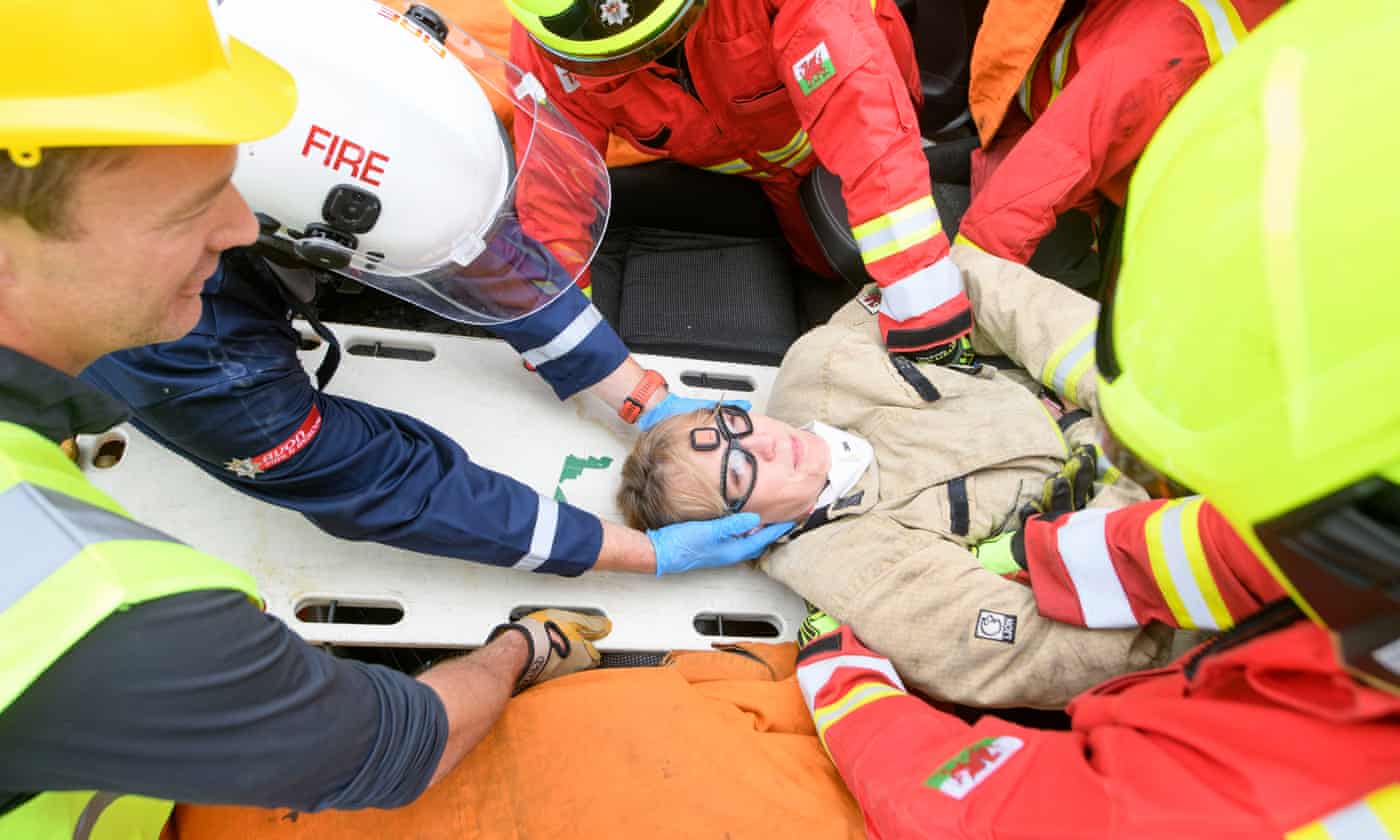
What qualified appear like on day one
Confidence is not blowing. On the first day after gaining a discomfort administration certification, you need to really feel comfy establishing, supplying, and documenting breathed in analgesia within procedure while maintaining your eyes on security. You should have the ability to state aloud why this person is a candidate, what your target is, and when you will stop. You ought to describe to the individual that they manage the inhaler and can relieve off if they really feel lightheaded. You ought to not require to inspect a handbook to know when to escalate for help.
If you can refrain from doing that yet, you require a lot more situations, not a lot more talks. Ask your trainer to run edge situations: a person who refuses, one that becomes sleepy, one who has bronchial asthma and begins to wheeze, one with an allergy background that sets off a mindful method. Model the choices in actual time. Those reps construct the mental map that keeps you calm later.
For registered nurses and physiotherapists: incorporating into your workflow
Pain administration training for registered nurses syncs with triage and very early intervention. In urgent care, very early analgesia lowers re-presentation, decreases agitation, and allows diagnostic exams continue without sedation. A nurse-led pathway that includes PUAEME008 Supply Discomfort Management can turn the manuscript at busy times. As opposed to auto parking a patient in a waiting area at 8 out of 10, you assess, deliver secure analgesia, and re-score in fifteen minutes. Doctors value clear notes, and clients count on the service more.
Physiotherapists typically see acute pain in motion: on a sideline, in a clinic after a work environment stress, or in remote outreach when travel time is long. Pain administration training courses that include breathed in analgesia are not around covering up injury. They are about acquiring sufficient convenience to complete safe assessment, use a brace or tape, or load a patient for imaging without unnecessary distress. Clear policies around when not to provide analgesia become part of the program. If pain is the only warning keeping an individual from utilizing a limb, reducing it without an appropriate differential can misdirect both medical professional and person. The program instructs organized screening to stay clear of that trap.
Choosing a company, and what to ask before you book
A fast-track program should still meet a high bar. Seek trainers with real prehospital or intense treatment experience. Ask how they analyze capability rather than attendance. Good programs include scenario-based analysis with responses, not just a multiple-choice quiz. Ask about recency needs to preserve money, and just how the provider tracks collective methoxyflurane direct exposure if they issue the consumables. Make clear whether the program is recognized by your employer or professional body.
If you work under a clinical supervisor or scientific lead, bring their protocol to the course. The trainer must want to map the teaching to your regional regulations. Discomfort monitoring programs for registered nurses usually incorporate with medication standing orders. Physio-led programs in sporting activities settings might add rules around return to play and obligatory imaging. The closer the program rests to your genuine practice, the more useful it becomes.
The handover that wins you allies
Emergency care is a relay. The following medical professional needs clear, concise information. When you hand over after providing pain management, you must cover 5 points in under a min: first pain rating and context, contraindication screen and consent, what analgesia you gave and the length of time, unbiased changes in vitals and discomfort rating, and any type of negative impacts or factors you quit. Include one line about what continues to be to be done. That structure gains trust and rates conclusive care.
I have actually had emergency situation medical professionals ask specifically for -responders learnt PUAEME008 after a collection of clean handovers. A repeatable framework makes the system feel more secure. If you ever before doubt the worth of a short training course in pain administration, enjoy the pace adjustment when a troubled patient shows up already calmer, splinted, and documented.
Edge cases worth thinking through
Patients with persistent discomfort disorders react in a different way. They might carry baseline high pain ratings and may under-report negative impacts. Approach with the very same structure, but weigh the functional trajectory extra greatly. If the client remains protected and stable regardless of reported renovation, reassess your plan.
Children bring communication challenges. The training must give you age-appropriate approval and mentoring language. In my training courses, we exercise with a volunteer that plays a shy eight-year-old, since tone and pacing issue greater than any type of certain expression. A youngster who feels in control will certainly self-administer more effectively and safely.
Remote or warm environments transform everything. Vapor diffusion, hydration condition, and tiredness influence both individual and provider. Strategy ventilation and shade before you open up the analgesic. Construct a behavior of establishing a five-minute timer for review in these settings so you do not drift.
Keeping abilities fresh
Certificates run out. Abilities fade faster. Review scenarios every couple of months, particularly if you rarely see extreme sharp pain. Web link refresher courses to real occurrences. After a tough case, debrief with your group: what functioned, what you would certainly transform, where the procedure felt tight or loosened. Great carriers provide short refresher course modules. Take them. Discomfort administration training for nurses and physiotherapists take advantage of combining refreshers with new case legislation and updates on item labeling or monitoring guidelines.
The larger image of person dignity
The ideal reason to buy a discomfort management certification training course is not the credential. It is the distinction in just how treatment really feels. A client in misery frequently bears in mind little except concern. If you can transform that memory to among being heard and eased, also partly, you have actually shifted their connection to healthcare. That trust assists the next medical professional do their work, enhances adherence, and lowers grievances. The technical skills in PUAEME008 are the methods, not the end.
Final thoughts for prospective learners
If you are considering whether to sign up, ask on your own where you usually satisfy pain. On a sideline, at triage, in a rescue lorry, or in a rural clinic, the capability to offer safe, protocol-based analgesia is a pressure multiplier. The PUAEME008 supply discomfort monitoring device is a small means to make that capacity. It ports easily into existing administration, respects extent, and focuses on high-yield interventions. Paired with audio assessment, sincere documents, and a consistent handover, it transforms chaotic scenes right into convenient ones.
For numerous teams, this is the missing out on link in between first aid and progressed care. It is a little financial investment in training that pays back each time a patient breathes out, unclenches their jaw, and allows you get on with the rest of the job.